
Are you interested in an estimate?
Leaky Roofs Destroy Lives!
Residential and Commercial Roof Repair in Portland, Oregon
Services
Elements Roofing is a Level 2 Residential / Commercial General Contractor Serving OR & WA
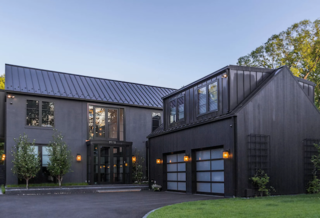
Commercial and Residential Siding
When the siding home suffers damage, it’s a call to action to protect your home’s structural integrity and insulation. Read More
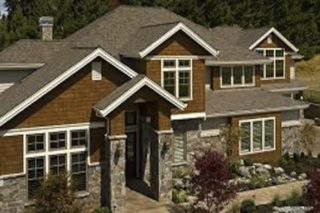
Residential
We offer home owners a peace of mind when working on their new home, replacement roof, or small business. Read More
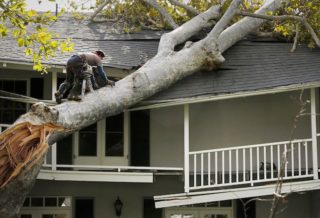
24/7 Emergency Repair
If you hear water in your attic, see water stains on the ceiling, or think you may have any type roofing problem. Read More
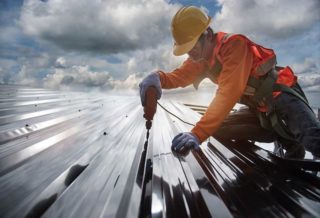
Commercial
Elements has helped many business owners protect their investments. Schools, restaurants, retail shops, historic buildings, and government. Read More
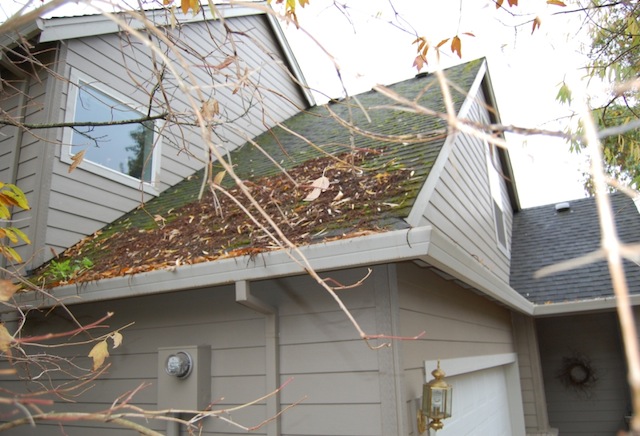
Maintenance Programs
Maintenance Programs: Take a look at our Residential / Commercial Roof Maintenance Plans. Read More
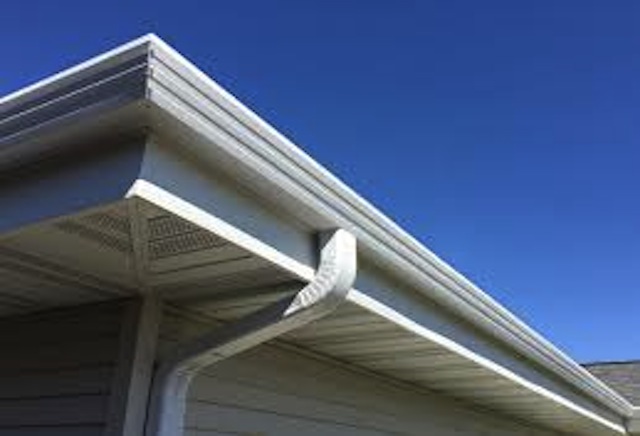
Seamless Gutters
Rain gutters are an integral part of your home’s exterior yet many homeowners overlook the importance. Read More
Projects
Testimonials
Elements strives to make every customer experience exceptional. Here are just a few of out thousands of satisfied customers.

We are very thankful!
WoW. We just had our apartment complex damaged by the storms this past Christmas. Elements came out on a Saturday, provided a professional inspection and quote, and then DELIVERED on their promise. We are very thankful to the whole team at Elements Roofing.
T. Martin, Portland, OR
Apartment Manager
You go guys!
Three roofing companies came to my house to bid my roof replacement. Only one contractor deserved my job, Elements Roofing! You go guys!
D. James, Beaverton, OR
Home Owner
Beautiful new roof!
We hired Elements to replace our old, poorly installed roof, and we now have a beautiful new roof. We have been very happy with their work, price and customer service.
J. Osburn, Portland, OR
Executive Assistant
I am grateful!
I needed emergency repair work on a Sunday as my roof had started to leak in my kitchen. I was greeted by a professional and competent group of people that solved my problem for less than what I thought it would be. I am grateful to Elements Roofing.
Karen G., Astoria, OR
Office Assistant
Thank you!
Thank you Elements Roofing. I never knew a roofing contractor would have such good follow through. I appreciate the extra care you provided for my hedges and garden as well. I will continually recommend you to my friends and family.
M. Vistanca, Tualitin, OR
Architect Assistant
Do-it-yourselfer!
As a “Do-it-yourselfer” homeowner I am very cautious when it comes to hiring a contractor. I chose Elements for my roof replacement due to their professionalism from the onset, and I was not disappointed. The service and workmanship was excellent. I sincerely recommend them.
M. Smith, Lake Oswego, OR
Home Owner
WHY US?
Discover why Elements is Oregons #1 Roofing Contractor
Project Done on Time
When choosing a contractor, it is important to choose a contractor who can get the job done on time. Once a job starts Elements works quickly and safely to ensure your job is completed on time and correctly the first time, Or managers inspect every job to maintain the highest quality. With Elements, you can rest assured that your life will be back to normal with limited interruptions.
Always Avaliable
Unlike most contractors Elements prides itself in being available to answer the call 24/7 with a live person. We understand that roofing emergencies do happen and we are there to get your leaked stopped fast. Our professional staff will work hard to provide only the best service. That is why Elements has been voted #1 in customer service 7 years in a row!
Professional and Responsible
The team at Elements has Over 20+ years in construction and roofing. Unlike many fly by night companies, Elements has been rooted in the Portland community for over a decade! Elements is Silver Star certified and the technicians hold master level installer certifications. No company has the experience to tackle the commercial jobs like Elements. Our team of world class experts guaretee your job is done correctly.
NEWS & EVENTS
Elements Gives Back
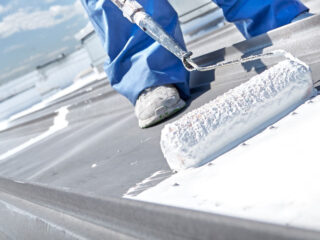
Why Reconditioning Your Commercial Roof Is a Smart Choice!
April 18, 2024
Why Reconditioning Your Commercial Roof Is a Smart Choice When it comes to maintaining your commercial property, the roof is one of the most critical components to consider. The decision to recondition rather than replace your commercial roof can bring significant benefits, especially when handled by a reputable company like Elements Commercial Roofing, the best […]
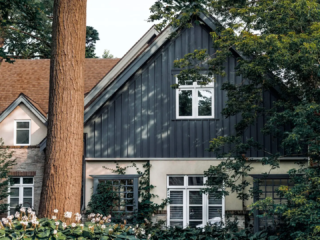
Revitalize Your Home with New Siding: The Benefits Await!
April 18, 2024
Elements Siding Services As a homeowner, you know the importance of maintaining every part of your home, and the siding is no exception. Siding not only protects your home from the elements but also significantly enhances its curb appeal. Whether you’re considering replacing old, worn siding or repairing damages, understanding the benefits of each can […]

Scam Alert! Protect Your Home!
January 17, 2024
Navigating the Aftermath of Portland’s Ice Storm: Beware of Fraudulent Roofing Contractors In the wake of the recent devastating ice storm in Portland, Oregon, which has left many homes damaged, trees toppled, and countless residents without power, homeowners are urgently seeking solutions to repair their homes. While this is a time for the community to […]
About Us