
Greater Portland’s Historic Roofs: Essential Preservation Strategies for Lasting Beauty and Protection
February 1, 2026by revvluvvHistorical Roof Preservation
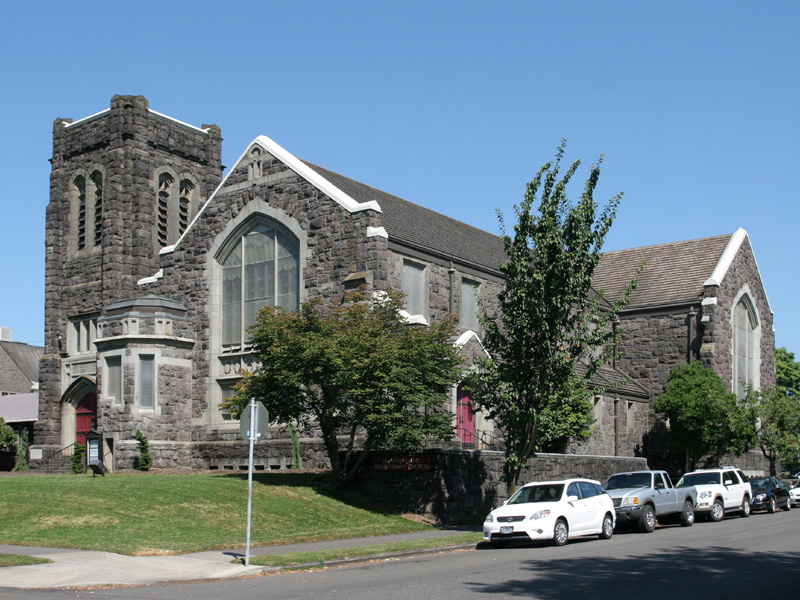
In the Pacific Northwest’s persistently damp climate—with Portland averaging around 36-40 inches of annual rainfall—historic homes are true architectural gems. Many feature original roofs of cedar shakes, slate, or clay/concrete tiles, materials chosen for their durability and aesthetic appeal in earlier eras. However, these roofs demand specialized care to withstand moisture, moss, and time while complying with local preservation standards.
 Cedar shake roofs, common in homes from the early 1900s, typically last 20-40 years with diligent maintenance, though the PNW’s humidity shortens this if unchecked. Slate and tile roofs often endure 50-100+ years, prized for their longevity and classic look. Aged cedar is vulnerable to dry rot and decay, while moss thrives in shaded areas, trapping moisture, adding weight, blocking drainage, and accelerating deterioration by holding water against the wood or under tiles.
Moss management is critical for historic roofs. Safe, preservation-friendly removal avoids damaging fragile materials: use a soft-bristle brush or broom to gently dislodge moss (never high-pressure washing, which can strip granules or crack slate). Follow with eco-friendly, biodegradable treatments like zinc-based solutions or hydrogen peroxide-based products that kill roots without harsh chemicals. Professionals often apply these after brushing for long-term prevention—some services offer warranties against regrowth for 1-2 years.
Portland’s historic preservation guidelines (administered by the Bureau of Development Services) emphasize authenticity. In designated historic districts or for landmark properties, repairs must retain original roof shape, pitch, detailing, and materials whenever feasible. Policies generally allow patching with matching materials if less than 50% of a side is affected; major replacements require similar historic products. Source reclaimed slate, salvaged cedar shakes, or period-appropriate tiles from suppliers specializing in vintage materials. Avoid modern substitutes like asphalt shingles on visible elevations unless approved—they can violate standards and diminish architectural integrity.
Routine care preserves both charm and value:
- Conduct biannual inspections (spring and fall) to spot loose fasteners, cracked tiles, lifted shakes, damaged flashing, or early moss.
- Clear debris, needles, and leaf litter from valleys and gutters regularly to prevent water pooling.
- Ensure proper attic ventilation and maintain indoor humidity to reduce internal moisture issues.
- For sales, a professionally certified, well-documented roof reassures buyers of quality and compliance.
Preserving a historic roof isn’t just maintenance—it safeguards your home’s heritage, structural soundness, and market appeal while preventing costly water intrusion that could lead to mold or rot. In our wet region, proactive vigilance pays dividends in longevity and character.
Elements Roofing, a trusted PNW-based contractor with deep local experience, specializes in historic roof preservation and repair. For expert guidance tailored to your heritage home, reach out at 503-699-6905 or schedule an assessment HERE