
Why Pacific Northwest Roofs Leak During Fall and Winter
October 19, 2026by revvluvvResidentialRoof Maintenance
Why Pacific Northwest Roofs Leak During Fall and Winter—and How Homeowners Can Prevent Costly Damage
Portland, Oregon | Elements Roofing
Every fall, homeowners throughout Portland, Lake Oswego, Beaverton, Tigard, and surrounding communities prepare for months of rain, wind, and unpredictable Pacific Northwest weather. Unfortunately, many discover roofing problems only after water begins dripping from a ceiling or staining interior walls.
The reality? Most winter roof leaks don’t begin during the storm. They develop gradually as small roofing deficiencies go unnoticed.
Understanding what causes these leaks—and addressing problems early—can help homeowners avoid expensive repairs.
Why Do Portland Roofs Leak During the Rainy Season?
1. Damaged or Deteriorating Roof Flashing
Roof flashing protects vulnerable areas around chimneys, skylights, plumbing vents, and roof-to-wall intersections. Over time, sealants deteriorate, fasteners loosen, and flashing can separate from surrounding materials.
When sustained rainfall arrives, these openings allow moisture to penetrate the roofing system.
2. Clogged Gutters and Roof Valleys
Falling leaves, pine needles, and moss accumulate quickly during autumn. When gutters become blocked, water can overflow against fascia boards and other vulnerable building components.
Debris trapped in roof valleys can also interfere with drainage, increasing the potential for water intrusion.
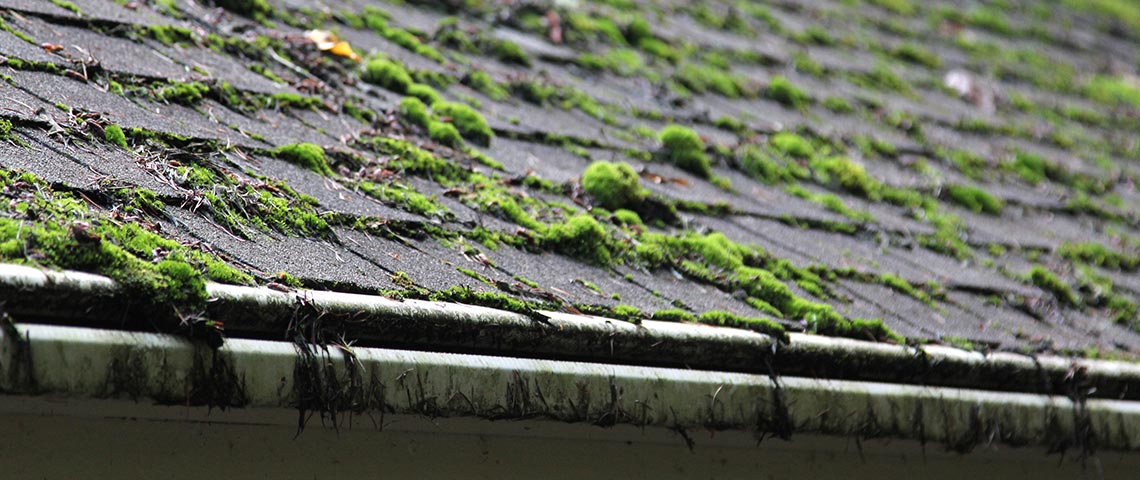
3. Moss Growth and Moisture Retention
Portland’s damp climate creates ideal conditions for moss growth, particularly on shaded roofs.
Established moss can interfere with proper water drainage and contribute to premature deterioration of roofing materials. Aggressive pressure washing can cause additional damage, making professional moss treatment a safer option for many roofing systems.
4. Aging Shingles and Exposed Fasteners
As asphalt shingles age, they can lose protective granules, become brittle, or develop cracks. Wind-driven rain may exploit these weaknesses, especially where previous repairs or exposed fasteners have compromised the roof’s protective barrier.
Can a Roof Leak Without Visible Damage?
Absolutely.
One of the biggest misconceptions among homeowners is that a roof must show obvious damage before it begins leaking.
Water can enter through a small opening, travel along roof decking or framing, and eventually appear on a ceiling several feet away from the original entry point.
By the time interior staining becomes visible, insulation, plywood, or structural components may already have experienced moisture exposure.
How Often Should Portland Homeowners Inspect Their Roofs?
For homes in the Pacific Northwest, scheduling professional roof evaluations before and after the primary rainy season is a practical preventative strategy.
Homeowners should also consider inspections following significant windstorms, falling branches, or unexplained interior moisture.
A professional roofing inspection should evaluate:
- Shingle condition and remaining serviceability
- Flashing around penetrations and roof transitions
- Gutters, valleys, and drainage pathways
- Moss accumulation and debris buildup
- Ventilation and potential moisture intrusion
- Signs of deteriorating roof decking
Not every roofing problem requires replacement. Many issues can be corrected through targeted repairs, maintenance, or roof reconditioning when the existing system remains serviceable.
Protect Your Home Before the Next Storm
At Elements Roofing, we understand the challenges Pacific Northwest weather creates for residential roofing systems. Our experienced team provides professional roof inspections, preventative maintenance, roof repairs, complete replacements, and 24/7 emergency leak response.
Don’t wait until a small roofing issue becomes an expensive interior repair.
Schedule Your FREE Residential Roof Inspection Today!
Call: 503.699.6905
Request Your Free Roofing Inspection Online
Elements Roofing — Protecting Portland-area homes, one roof at a time.