Why Pacific Northwest Roofs Fail Early—and How to Protect Yours Before the Next Storm
September 23, 2026by revvluvvLeaky RoofResidentialRoof Maintenance
Why Pacific Northwest Roofs Fail Early—and How to Protect Yours Before the Next Storm
Roofs in the Pacific Northwest routinely fail years before the manufacturer’s stated lifespan. The reason is not one dramatic event; it is the combination of conditions that never appear in the testing labs where those ratings are created.
Portland-area roofs face five compounding stressors almost year-round:
- Prolonged moisture with limited dry-out cycles
- Biological attack from moss, algae, and lichen
- Constant tree debris that holds water and clogs drainage
- Wind-driven rain and atmospheric-river storms
- Occasional freeze-thaw and ice-dam events
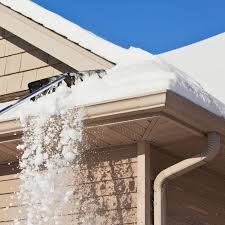
The January 2024 ice storm and subsequent atmospheric rivers provided a clear case study. Homes with inadequate attic ventilation suffered widespread ice-dam damage: heat escaping at the ridge melted snow, water ran to the cold eaves, refroze, and forced moisture under the shingles. Homes with balanced intake and exhaust ventilation fared dramatically better. Tree limbs loaded with ice also created impact damage that later became leak points during the thaw.
Wind is another underestimated threat. Gusts of 40–60 mph (higher in exposed locations) lift poorly fastened shingles, especially along ridges and eaves, and drive rain sideways into flashing and valleys. Once water is behind the underlayment, the damage accelerates quickly in our damp climate.
Practical steps that actually extend roof life here
- Prioritize ventilation. A properly balanced system (soffit intake + ridge or box exhaust) keeps the attic closer to outdoor temperature, reduces condensation, and minimizes ice-dam risk.
- Choose materials designed for moisture. Architectural asphalt with algae-resistant granules is the best value for most homes. Standing-seam metal offers the longest service life and excellent moss resistance if the budget allows.
- Install ice-and-water shield in valleys, at eaves, and around penetrations. It is cheap insurance against wind-driven rain and ice dams.
- Keep gutters and valleys clear of needles and leaves. Clogged drainage is one of the fastest ways to force water under the roof edge.
- Schedule inspections after major wind or ice events and before the long wet season begins. Small issues found early are inexpensive; the same issues discovered after a ceiling stain are not.
Many roofs we replace in the Portland metro are only 15–22 years old—well short of the 25–30 year ratings printed on the packaging. The difference almost always traces back to one or more of the factors above going unaddressed.
Your roof is the single largest surface protecting your home. In a climate this wet and windy, proactive maintenance and climate-appropriate materials are not luxuries—they are the difference between a roof that lasts and one that becomes a chronic problem.
Ready to find out how your roof is holding up? Contact Elements Roofing at 503.699.6905 or contact@roofportland.com for a thorough inspection and clear recommendations. We’ll help you stay ahead of the next storm instead of reacting to it.
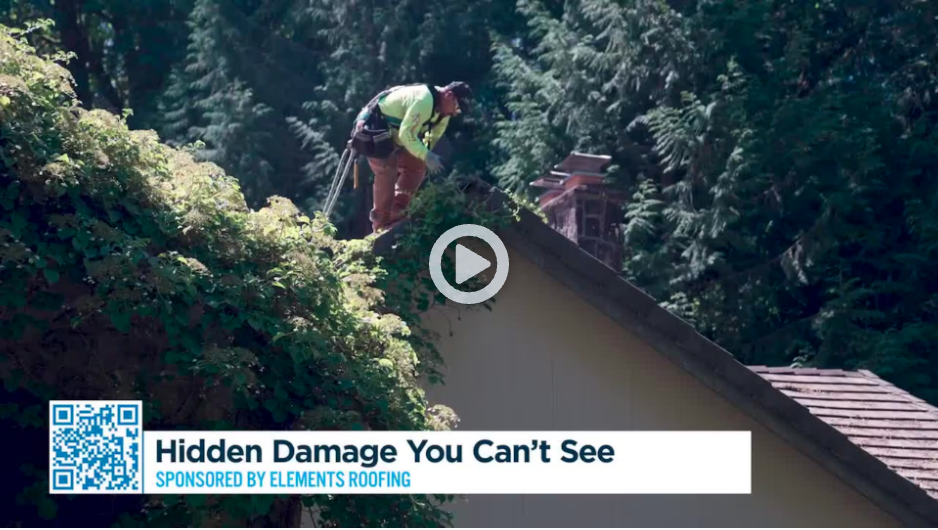
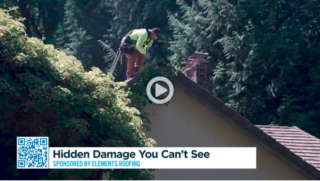
 The Pacific Northwest offers breathtaking landscapes, but its climate poses relentless challenges for homeowners’ roofs. With persistent rain, high humidity, moss-prone conditions, and occasional powerful windstorms, roofs in Portland, Seattle, and surrounding areas face accelerated wear compared to drier regions. At Elements Roofing, we’ve helped countless homeowners protect their properties against these regional threats. This post explores the hottest roofing issues in the PNW and shares practical advice to extend your roof’s lifespan.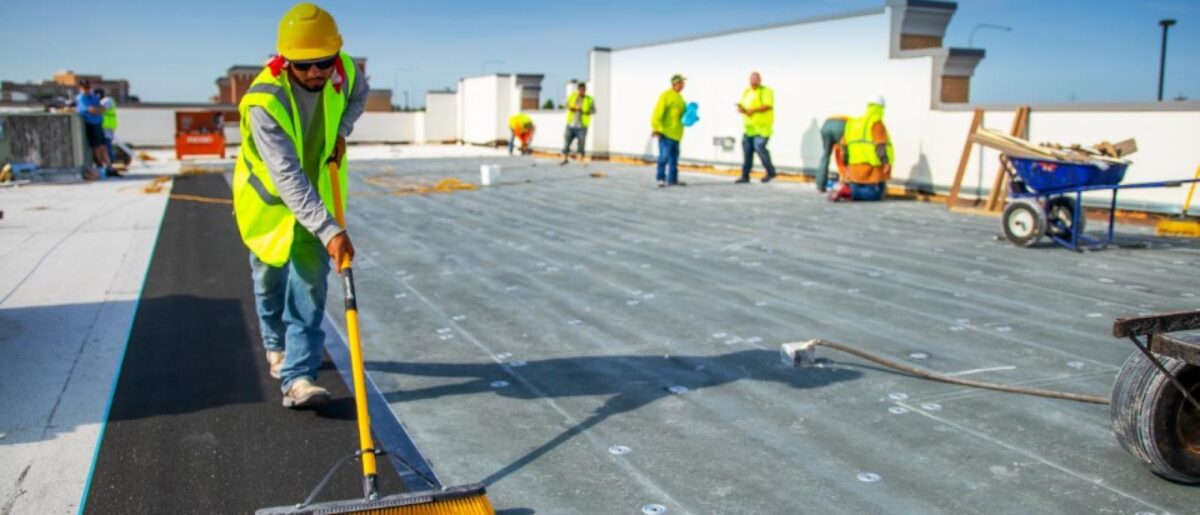
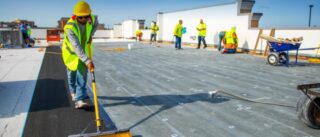 1. Sustainable Restoration Solutions More property managers are choosing eco-friendly restoration methods. High-performance reflective coatings and low-VOC materials not only extend roof life but also contribute to LEED certification points and lower building energy consumption.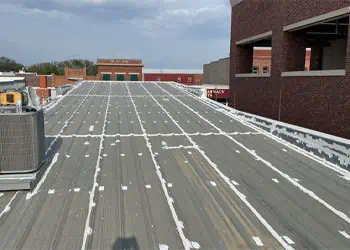
 Cost Efficiency: Restoration typically costs 40–60% less than a full replacement, freeing up capital for other building improvements.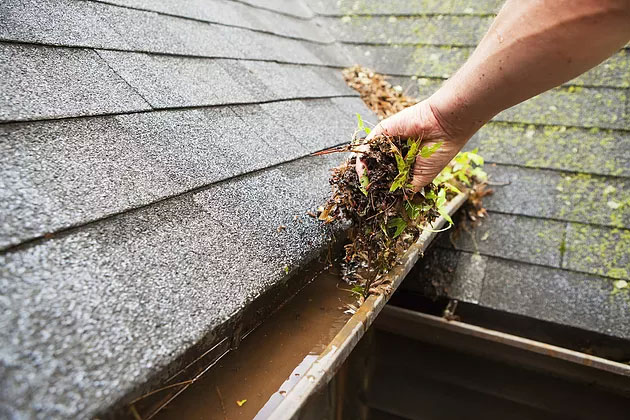
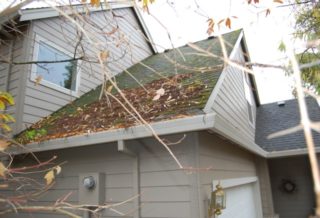 Living in Portland means your roof battles rain, moss, and wind more than most. Small problems can turn into expensive repairs fast if you ignore them. Here are the top signs it’s time to have a professional take a look — before a minor issue becomes a major headache.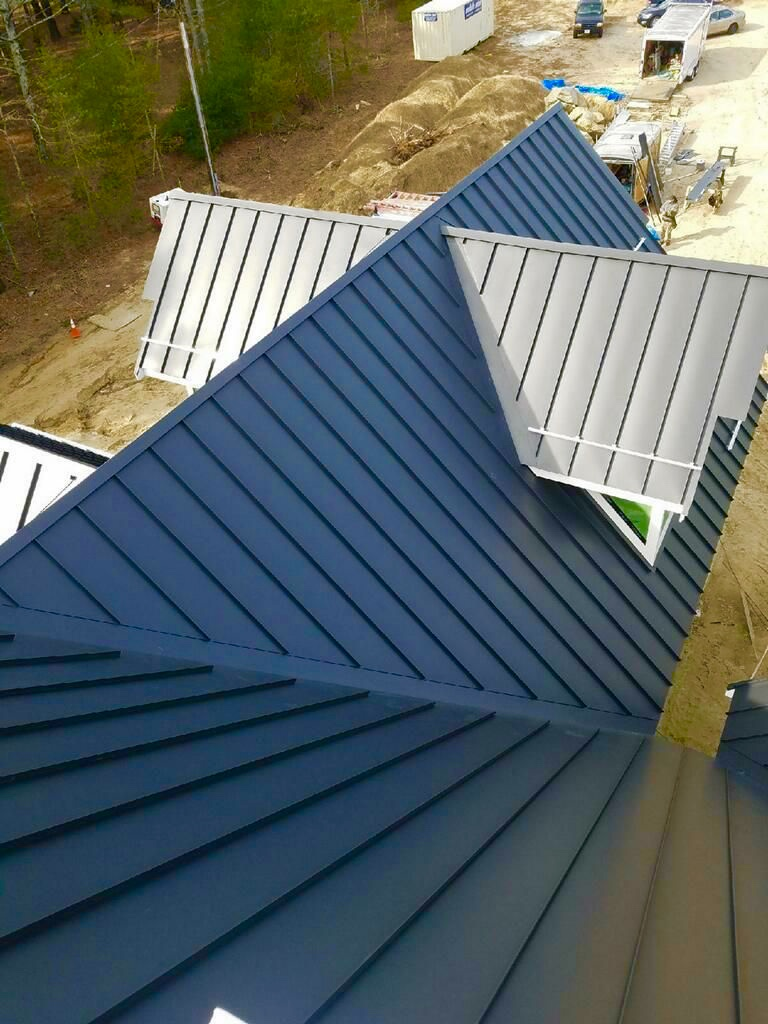
 Portland’s unpredictable weather — from heavy winter rains to occasional summer heat — puts extra stress on your roof year after year. As we head deeper into 2026, homeowners are looking for roofing solutions that last longer, save energy, and help the environment. Here’s what’s trending right now and why it matters for your home.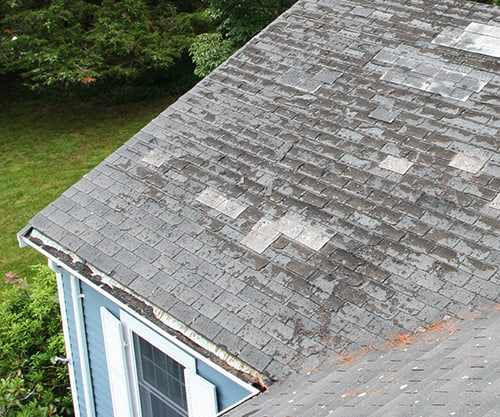
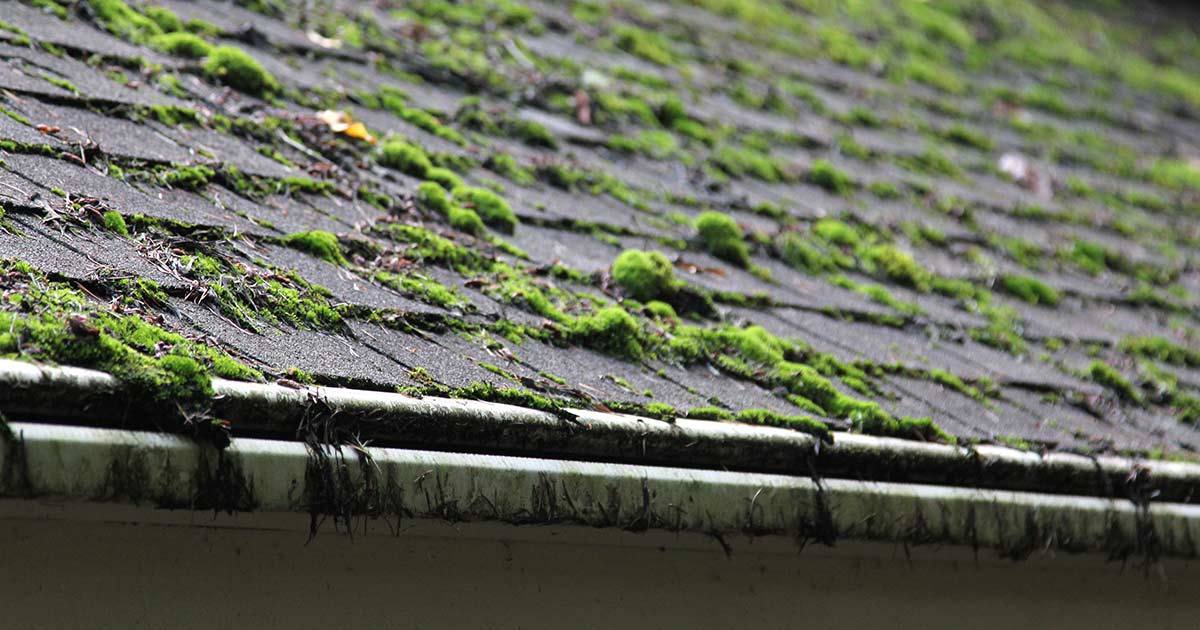
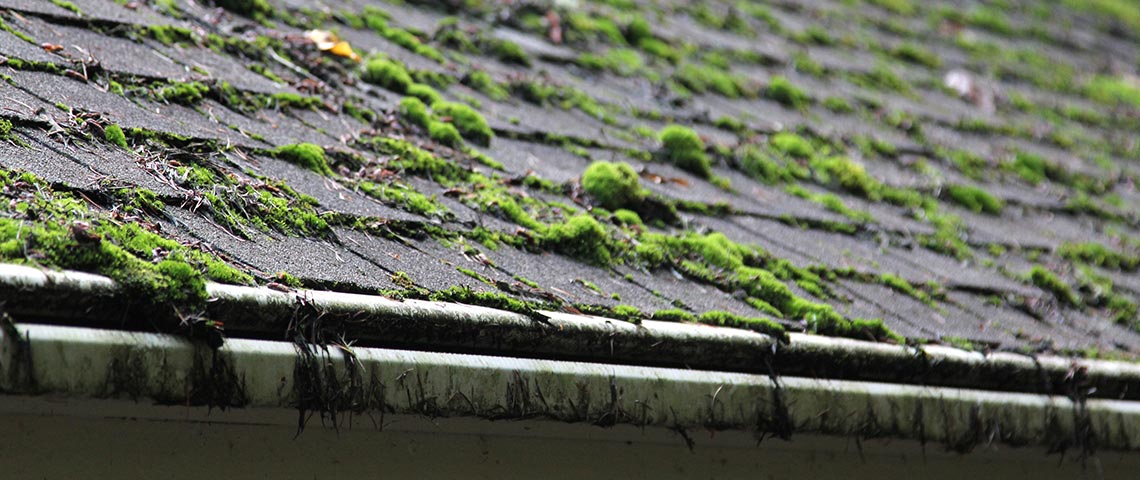
 In the Greater Portland Area, moss isn’t just an unsightly green layer—it’s a serious threat to your roof’s health and your home’s longevity. Our Pacific Northwest climate delivers 36-40 inches of annual rainfall, combined with frequent shade from trees and overcast skies, creating perfect conditions for moss to thrive on asphalt shingles, cedar shakes, tile, and other materials.